Physio Pelvic Floor
Pelvic Health Clinic
An overview of a complex pelvic condition, and why physiotherapy is a meaningful part of recovery.
By Marie-Josée Ryan, Physiotherapist · Published June 30, 2026 · Updated July 16, 2026
Chronic prostatitis, a term often used interchangeably with chronic pelvic pain syndrome (CP/CPPS), represents a persistent and sometimes baffling condition affecting the prostate and surrounding pelvic area. Unlike acute bacterial prostatitis, which is caused by a clear infection, chronic prostatitis is typically not associated with a detectable pathogen. Instead, its symptoms can linger for months, leading to significant discomfort and a diminished quality of life.
Those living with CP/CPPS may experience a variety of symptoms, including:
The severity and nature of these symptoms often fluctuate, sometimes appearing without any obvious trigger.
The exact causes of CP/CPPS remain elusive. In many cases, no bacterial infection is found, which distinguishes it from other forms of prostatitis. Factors that may contribute include:
The condition is considered multifactorial, and its management often requires a comprehensive, individualized approach.
Diagnosing CP/CPPS involves a careful evaluation of symptoms and exclusion of other conditions. Healthcare professionals may perform urine tests, prostate exams, and sometimes additional imaging to rule out infections or other urological concerns. Because CP/CPPS does not always reveal clear lab findings, the diagnosis frequently depends on symptom patterns and medical history.
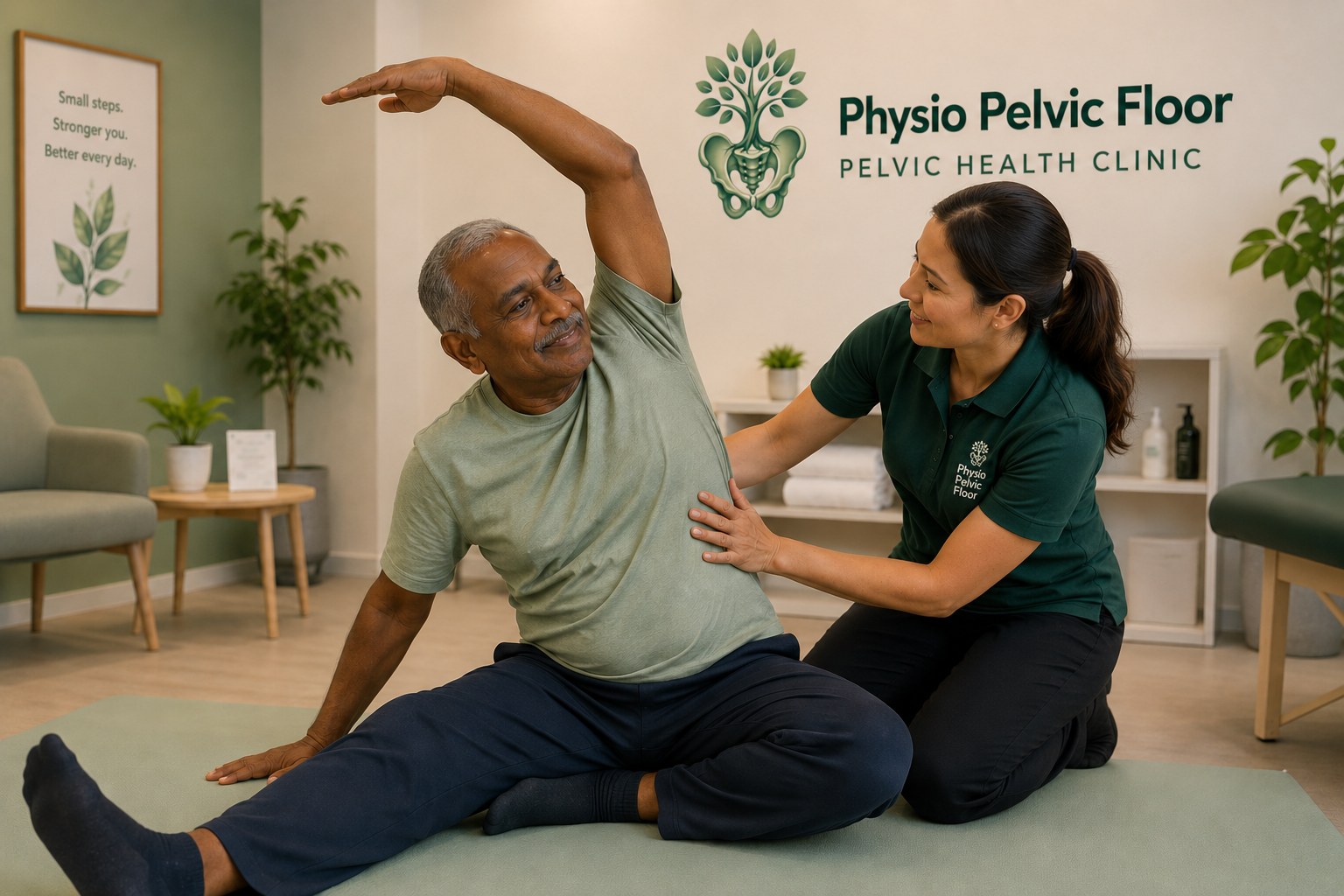
CP/CPPS is strongly associated with pelvic floor muscle tightness, trigger points, and nervous system sensitization. A combined manual therapy and nervous system approach can reduce muscle tension, recalibrate pain signaling, and improve quality of life.
The pelvic floor shares connective tissue and coordination with key hip muscles, the deep hip rotators, glutes, hip flexors, and adductors. Treatment may include hip mobility, hip strengthening, and movement retraining, not just pelvic floor work.
For men who aren't comfortable with an internal exam, techniques like dry needling to specific hip muscles can also be helpful to reduce muscle tension when clinically appropriate. Many men make significant progress without internal assessment.
Treatment for CP/CPPS can be challenging due to its complex nature. Multidisciplinary strategies are recommended, including:
If you've been diagnosed with chronic prostatitis or are dealing with persistent pelvic pain, pelvic floor physiotherapy is often a missing piece of effective care.